Buy scripts.be ?
We are moving the project
scripts.be .
Are you interested in purchasing the domain
scripts.be ?
domain@kv-gmbh.de · 0541-91531010
Buy scripts.be ?
How do non-homologous recombination and homologous recombination work?
Non-homologous recombination involves the joining of two DNA molecules at non-homologous sequences, resulting in the insertion, deletion, or rearrangement of genetic material. This process is often error-prone and can lead to mutations. Homologous recombination, on the other hand, involves the exchange of genetic material between two similar DNA molecules, typically occurring during meiosis. This process is important for repairing DNA damage and ensuring genetic diversity. It involves the exchange of genetic material between homologous chromosomes, resulting in the formation of new combinations of genes. **
Can non-homologous chromosomes cross over?
No, non-homologous chromosomes cannot undergo crossing over during meiosis. Crossing over is a process that involves the exchange of genetic material between homologous chromosomes, which are chromosomes that are similar in size, shape, and gene content. Non-homologous chromosomes do not have the necessary similarity in order to undergo crossing over. **
Similar search terms for Non-homologous
Top-Angebote
Products related to Non-homologous:
-
ADIDAS SPORTSWEAR Ensemble en molleton non grattéDétails produit • Veste zippée à capuche • Taille : standard • Pantalon • Taille élastiquée Composition et Entretien • 52% coton, 48% polyester • Pour l'entretien, merci de vous référer aux indications figurant sur l'étiquette du produit57,20 €*Shipping: 3,99 €Secure redirect to the provider
-
LA REDOUTE COLLECTIONS Bermuda en molleton non grattéDétails produit • Motif uni • Pièce de bas : bermuda • Taille élastiquée avec lien de serrage à nouer à la taille • Coton • 2 poches biais côtés Composition et Entretien • 100% coton • Coton recyclé au minimum à 20% • Température de lavage 40° • Séchage en tambour faible • Pas de nettoyage à sec • COTON RECYCLÉ. Utiliser du coton recyclé, c'est préserver certaines ressources et réduire les déchets. • OEKO-TEX® Standard 100. La labellisation OEKO-TEX® Standard 100 contrôle les substances nocives des produits textiles via un label indépendant et international. Fiche produit relative aux qualités et caractéristiques environnementales • Origine de fabrication (tissage, teinture, confection) : Bangladesh Dernière mise à jour des informations : 21/09/202616,99 €*Shipping: 3,99 €Secure redirect to the provider
-
RealRock 7'' / 17cm Non Realistic Dildo Suction Cup - TurquoiseLa matière jelly capte la lumière turquoise. L’effet est hypnotique. Le regard s’y attarde, les doigts aussi.Une transparence qui intrigue ✨Le 7'' / 17cm Non Realistic Dildo Suction Cup - Turquoise de RealRock séduit par son aspect cristallin et sa texture souple. Sa surface lisse glisse facilement20,95 €*Shipping: 3,90 €Secure redirect to the provider
-
LA REDOUTE INTERIEURS Sommier déco non recouvert 22 lattes souplesLa suspension du sommier tapissier lattes nues assouplit le confort de votre couchage.Un sommier fabriqué en France et signé La Redoute Intérieurs, expert et créateur de literie. • Type de sommier : tapissier à lattes nues • Fermeté : médium • Le + : bonne aération pour le matelas Bien choisir sa literie ? Consultez notre guide au bas de cette fiche produit Description • Cadre en pin massif finition tapissier • 22 lattes bois multiplis de bouleau en 190 cm de long (2 x 22 à partir de 120 cm de large) • Coutil 70% polyester 30% coton sans traitement (absence de substance active) • Pieds inclus • Chaque sommier a son matelas assorti. Le couple parfait pour un confort maximum. Retrouvez-le sur le site. Qualité • Garantie 5 ans. • 365 nuits pour tester votre literie La Redoute Intérieurs. • Conjuguant confort et soutien, la literie La Redoute Intérieurs propose une gamme adaptée à chaque dormeur et déclinée en 3 technologies. Belles nuits en perspective. Dimensions • Hauteur : 15 cm • FABRIQUÉ EN FRANCE. • FABRICATION À LA DEMANDE. En ne produisant que l’article commandé, les ressources sont préservées. Pas de surproduction, pas de matières premières utilisées inutilement. • BOIS ISSU DE FORÊTS GÉRÉES DURABLEMENT. Le bois certifié PEFC est issu de forêts gérées durablement et de sources contrôlées. PEFC contribue à assurer la pérennité et le renouvellement par régénération naturelle ou par plantation en préservant des arbres d’avenir et en favorisant la diversité des essences. Fiche produit relative aux qualités et caractéristiques environnementales • Produit majoritairement recyclable.139,50 €*Shipping: 9,99 €Secure redirect to the provider


-
Are modifications homologous?
Modifications can be homologous if they are derived from a common ancestral modification and have similar functions in different species. For example, the presence of similar modifications in the wings of bats and birds, both of which enable flight, suggests homology. However, modifications can also be analogous, meaning they have similar functions but are not derived from a common ancestor. An example of analogous modifications is the wings of birds and insects, which have different evolutionary origins but serve the same function of flight. **
-
Is the Socratic dialogue a non-coercive dialogue?
Yes, the Socratic dialogue is a non-coercive dialogue. Socrates believed in the power of rational discussion and persuasion, rather than force or coercion, to arrive at truth and understanding. In the Socratic method, participants engage in open and respectful dialogue, questioning and challenging each other's ideas in a collaborative pursuit of knowledge. This approach emphasizes the importance of free inquiry and critical thinking, making it a non-coercive form of dialogue. **
-
Why are bird feathers homologous?
Bird feathers are homologous because they all share a common evolutionary origin. They are derived from the same structure in the common ancestor of all birds. Despite the variations in size, shape, and color, bird feathers all serve the same fundamental purpose of providing insulation, aiding in flight, and attracting mates. This shared ancestry and function make bird feathers homologous structures. **
-
Are bat wings homologous or analogous?
Bat wings are homologous structures, meaning they share a common evolutionary origin with the wings of other mammals, such as humans and whales. This suggests that bats, humans, and whales all inherited their limb structure from a common ancestor. In contrast, analogous structures are those that have similar functions but different evolutionary origins, such as the wings of birds and insects. **

Which homologous organs exist in plants?
Homologous organs in plants are structures that have a common evolutionary origin but may have different functions. Examples of homologous organs in plants include the various types of leaves, such as simple leaves, compound leaves, and scale leaves, which all have a common origin but serve different functions in different plant species. Another example is the different types of flowers, which have a common origin but may have evolved to attract different pollinators or serve different reproductive strategies. Additionally, the various types of stems, such as rhizomes, stolons, and tubers, are also considered homologous organs in plants. **
Are Maybugs analogous or homologous animals?
Maybugs, also known as cockchafers, are not analogous or homologous to any other animals. They are a unique species of beetle belonging to the family Scarabaeidae. Analogous structures are similar in function but not in structure or evolutionary origin, while homologous structures are similar in structure and evolutionary origin but not necessarily in function. Maybugs do not share these similarities with any other animals, making them a distinct and separate species. **
Top-Angebote
Products related to Non-homologous:
-
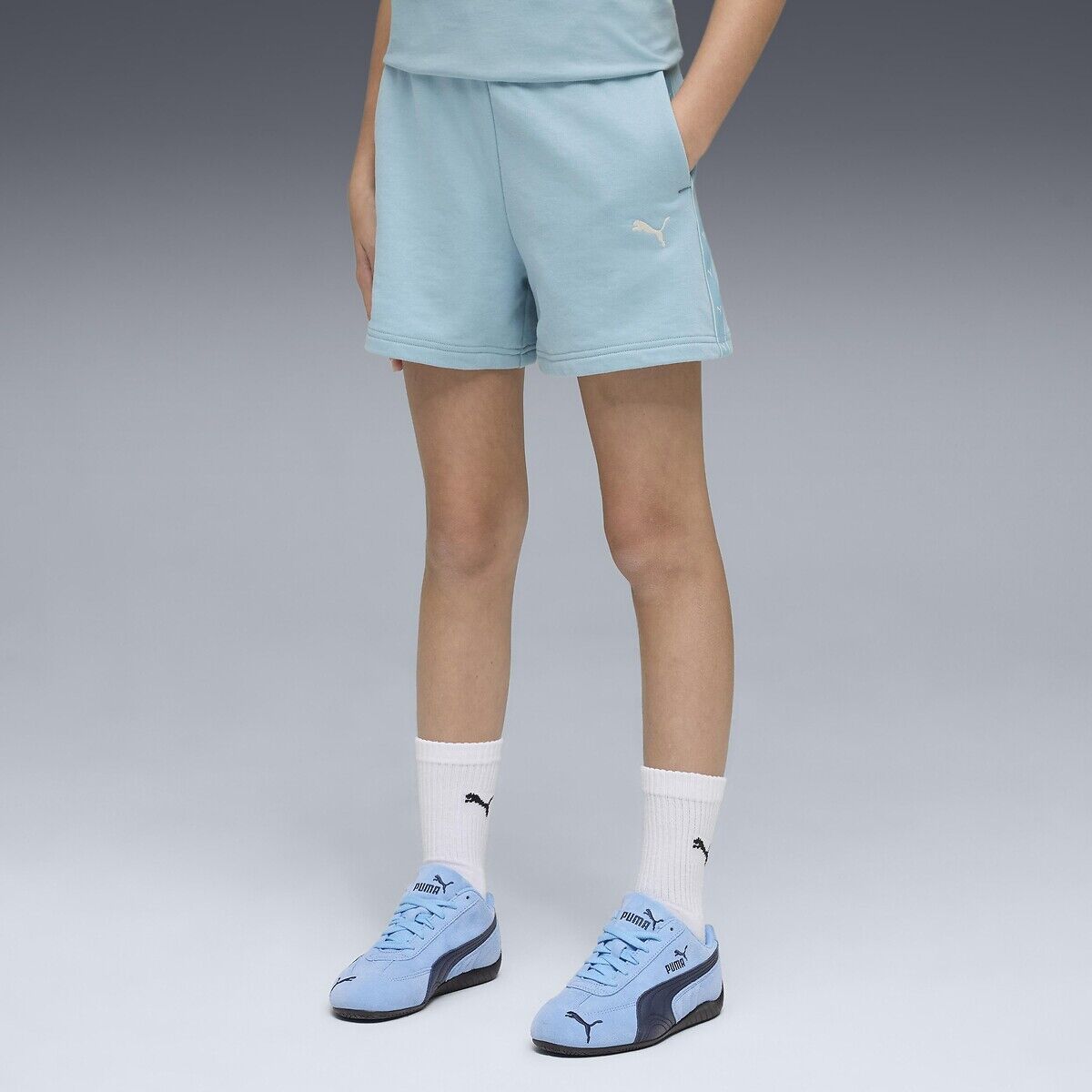
PUMA Short en molleton non grattéDétails produit • Taille : standard • Taille élastiquée Composition et Entretien • 42% coton, 32% polyester, 26% polycoton • Pour l'entretien, merci de vous référer aux indications figurant sur l'étiquette du produit18,20 €*Shipping: 3,99 €Secure redirect to the provider
-
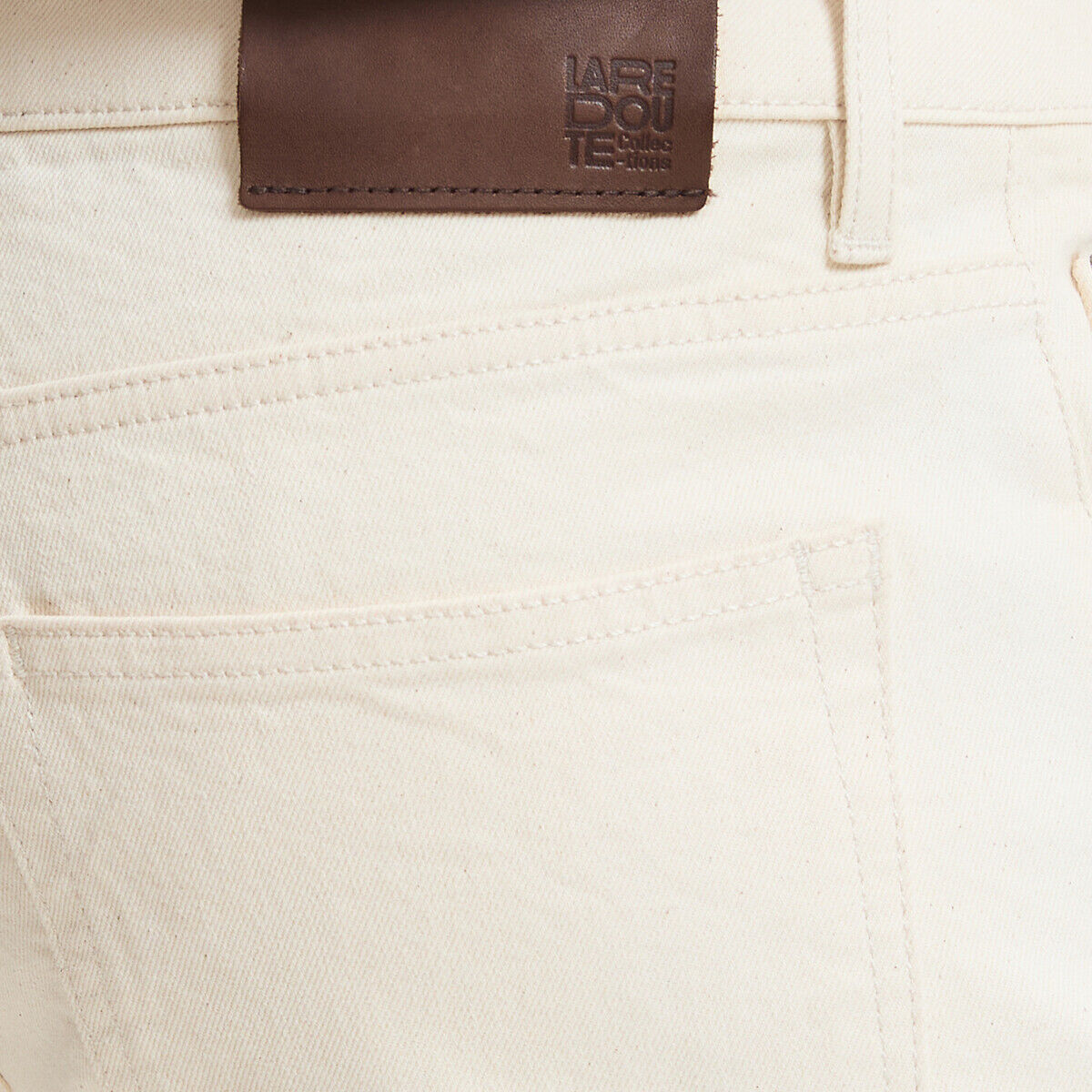
LA REDOUTE COLLECTIONS Jean non teint régularDétails produit • Regular, droit • Taille standard • Coupe 5 poches • Ceinture à passants boutonnée Mesures du produit en taille 40/M • Longueur de l’entrejambe : 81 cm • Largeur du bas : 19,5 cm Composition et Entretien • 98% coton, 2% élasthanne • Température de lavage 40° cycle délicat • Température de repassage moyenne / blanchiment interdit • Séchage en tambour faible • Pas de nettoyage à sec • COTON ISSU DE L'AGRICULTURE BIOLOGIQUE. L’agriculture biologique exclut tous produits chimiques, pesticides, insecticides et OGM. Une production dont l’impact sur la biodiversité est réduit. • DÉLAVAGE ÉCONOME EN EAU. Ce délavage permet de réduire la consommation d’eau utilisée par rapport à un délavage classique.64,99 €*Shipping: 3,99 €Secure redirect to the provider
-
ADIDAS SPORTSWEAR Ensemble en molleton non grattéDétails produit • Veste zippée à capuche • Taille : standard • Pantalon • Taille élastiquée Composition et Entretien • 52% coton, 48% polyester • Pour l'entretien, merci de vous référer aux indications figurant sur l'étiquette du produit57,20 €*Shipping: 3,99 €Secure redirect to the provider
-
LA REDOUTE COLLECTIONS Bermuda en molleton non grattéDétails produit • Motif uni • Pièce de bas : bermuda • Taille élastiquée avec lien de serrage à nouer à la taille • Coton • 2 poches biais côtés Composition et Entretien • 100% coton • Coton recyclé au minimum à 20% • Température de lavage 40° • Séchage en tambour faible • Pas de nettoyage à sec • COTON RECYCLÉ. Utiliser du coton recyclé, c'est préserver certaines ressources et réduire les déchets. • OEKO-TEX® Standard 100. La labellisation OEKO-TEX® Standard 100 contrôle les substances nocives des produits textiles via un label indépendant et international. Fiche produit relative aux qualités et caractéristiques environnementales • Origine de fabrication (tissage, teinture, confection) : Bangladesh Dernière mise à jour des informations : 21/09/202616,99 €*Shipping: 3,99 €Secure redirect to the provider
-
How do non-homologous recombination and homologous recombination work?
Non-homologous recombination involves the joining of two DNA molecules at non-homologous sequences, resulting in the insertion, deletion, or rearrangement of genetic material. This process is often error-prone and can lead to mutations. Homologous recombination, on the other hand, involves the exchange of genetic material between two similar DNA molecules, typically occurring during meiosis. This process is important for repairing DNA damage and ensuring genetic diversity. It involves the exchange of genetic material between homologous chromosomes, resulting in the formation of new combinations of genes. **
-
Can non-homologous chromosomes cross over?
No, non-homologous chromosomes cannot undergo crossing over during meiosis. Crossing over is a process that involves the exchange of genetic material between homologous chromosomes, which are chromosomes that are similar in size, shape, and gene content. Non-homologous chromosomes do not have the necessary similarity in order to undergo crossing over. **
-
Are modifications homologous?
Modifications can be homologous if they are derived from a common ancestral modification and have similar functions in different species. For example, the presence of similar modifications in the wings of bats and birds, both of which enable flight, suggests homology. However, modifications can also be analogous, meaning they have similar functions but are not derived from a common ancestor. An example of analogous modifications is the wings of birds and insects, which have different evolutionary origins but serve the same function of flight. **
-
Is the Socratic dialogue a non-coercive dialogue?
Yes, the Socratic dialogue is a non-coercive dialogue. Socrates believed in the power of rational discussion and persuasion, rather than force or coercion, to arrive at truth and understanding. In the Socratic method, participants engage in open and respectful dialogue, questioning and challenging each other's ideas in a collaborative pursuit of knowledge. This approach emphasizes the importance of free inquiry and critical thinking, making it a non-coercive form of dialogue. **
Similar search terms for Non-homologous
-
RealRock 7'' / 17cm Non Realistic Dildo Suction Cup - TurquoiseLa matière jelly capte la lumière turquoise. L’effet est hypnotique. Le regard s’y attarde, les doigts aussi.Une transparence qui intrigue ✨Le 7'' / 17cm Non Realistic Dildo Suction Cup - Turquoise de RealRock séduit par son aspect cristallin et sa texture souple. Sa surface lisse glisse facilement20,95 €*Shipping: 3,90 €Secure redirect to the provider
-
LA REDOUTE INTERIEURS Sommier déco non recouvert 22 lattes souplesLa suspension du sommier tapissier lattes nues assouplit le confort de votre couchage.Un sommier fabriqué en France et signé La Redoute Intérieurs, expert et créateur de literie. • Type de sommier : tapissier à lattes nues • Fermeté : médium • Le + : bonne aération pour le matelas Bien choisir sa literie ? Consultez notre guide au bas de cette fiche produit Description • Cadre en pin massif finition tapissier • 22 lattes bois multiplis de bouleau en 190 cm de long (2 x 22 à partir de 120 cm de large) • Coutil 70% polyester 30% coton sans traitement (absence de substance active) • Pieds inclus • Chaque sommier a son matelas assorti. Le couple parfait pour un confort maximum. Retrouvez-le sur le site. Qualité • Garantie 5 ans. • 365 nuits pour tester votre literie La Redoute Intérieurs. • Conjuguant confort et soutien, la literie La Redoute Intérieurs propose une gamme adaptée à chaque dormeur et déclinée en 3 technologies. Belles nuits en perspective. Dimensions • Hauteur : 15 cm • FABRIQUÉ EN FRANCE. • FABRICATION À LA DEMANDE. En ne produisant que l’article commandé, les ressources sont préservées. Pas de surproduction, pas de matières premières utilisées inutilement. • BOIS ISSU DE FORÊTS GÉRÉES DURABLEMENT. Le bois certifié PEFC est issu de forêts gérées durablement et de sources contrôlées. PEFC contribue à assurer la pérennité et le renouvellement par régénération naturelle ou par plantation en préservant des arbres d’avenir et en favorisant la diversité des essences. Fiche produit relative aux qualités et caractéristiques environnementales • Produit majoritairement recyclable.139,50 €*Shipping: 9,99 €Secure redirect to the provider
-
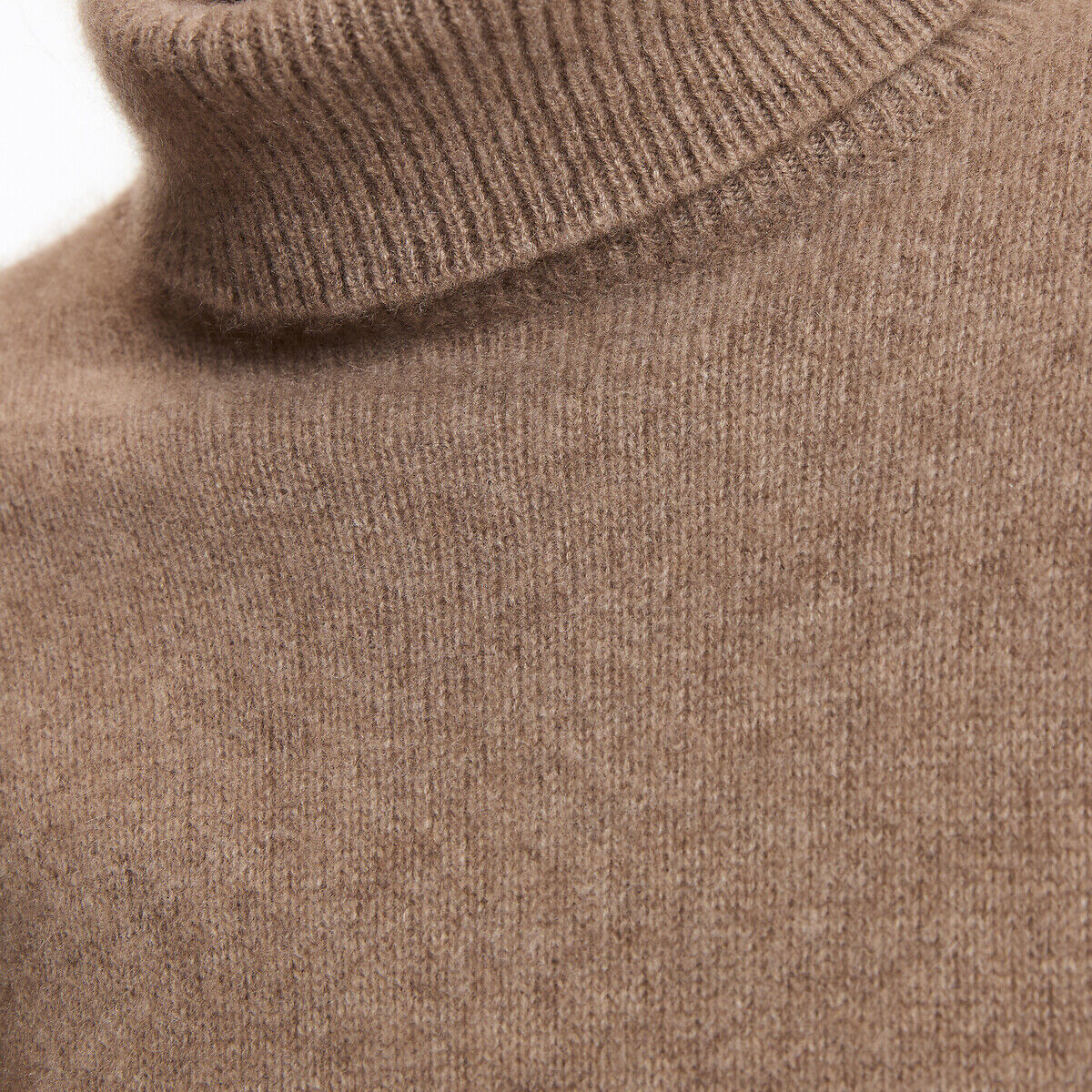
LA REDOUTE COLLECTIONS Pull col roulé en cachemire non teintDu cachemire pour la douceur et un volume loose pour le confort... ce pull col roulé, fini par bord-côtes à la base et aux poignets sera le complice des hivers froids...Détails produit • Pull long • Manches longues • Col roulé • Grosse maille Composition et Entretien • 100% cachemire • Cachemire recyclé au minimum à 50% • Lavage à la main température ambiante • Séchage à plat • Température de repassage faible / blanchiment interdit • Pas de nettoyage à sec • CACHEMIRE RECYCLÉ. Utiliser du cachemire recyclé, c'est préserver certaines ressources et réduire les déchets Fiche produit relative aux qualités et caractéristiques environnementales • Origine de fabrication (tissage, teinture) : Chine • Confection : Cambodge Dernière mise à jour des informations : 11/03/2026104,78 €*Shipping: 3,99 €Secure redirect to the provider
-
Why are bird feathers homologous?
Bird feathers are homologous because they all share a common evolutionary origin. They are derived from the same structure in the common ancestor of all birds. Despite the variations in size, shape, and color, bird feathers all serve the same fundamental purpose of providing insulation, aiding in flight, and attracting mates. This shared ancestry and function make bird feathers homologous structures. **
-
Are bat wings homologous or analogous?
Bat wings are homologous structures, meaning they share a common evolutionary origin with the wings of other mammals, such as humans and whales. This suggests that bats, humans, and whales all inherited their limb structure from a common ancestor. In contrast, analogous structures are those that have similar functions but different evolutionary origins, such as the wings of birds and insects. **
-
Which homologous organs exist in plants?
Homologous organs in plants are structures that have a common evolutionary origin but may have different functions. Examples of homologous organs in plants include the various types of leaves, such as simple leaves, compound leaves, and scale leaves, which all have a common origin but serve different functions in different plant species. Another example is the different types of flowers, which have a common origin but may have evolved to attract different pollinators or serve different reproductive strategies. Additionally, the various types of stems, such as rhizomes, stolons, and tubers, are also considered homologous organs in plants. **
-
Are Maybugs analogous or homologous animals?
Maybugs, also known as cockchafers, are not analogous or homologous to any other animals. They are a unique species of beetle belonging to the family Scarabaeidae. Analogous structures are similar in function but not in structure or evolutionary origin, while homologous structures are similar in structure and evolutionary origin but not necessarily in function. Maybugs do not share these similarities with any other animals, making them a distinct and separate species. **
* All prices are inclusive of VAT and, if applicable, plus shipping costs. The offer information is based on the details provided by the respective shop and is updated through automated processes. Real-time updates do not occur, so deviations can occur in individual cases. ** Note: Parts of this content were created by AI.